

Retrospective Property Valuation: Why Historical Values Matter
Property value is usually discussed in present terms, but there are many situations where the critical question is not what a property is worth today, but what it was worth at a specific date in the past. That is where retrospective property valuation becomes important. A retrospective valuation provides an informed and evidence-based opinion of market value as at an earlier date, using historical market data, property details and professional analysis to reconstruct the conditions that existed at that time.
This type of valuation is often required when financial, legal or taxation matters depend on a past market value rather than a current one. In those situations, a rough estimate is not good enough. A formal report needs to show how the value was determined, what evidence was relied on and why the conclusion is reasonable in the context of the historical market.
For owners, accountants, solicitors, executors and investors, obtaining a reliable retrospective property valuation can be the difference between a defensible position and a costly dispute. The work requires more than knowing current property prices. It requires the ability to interpret past sales, historical market sentiment, prior property condition and the broader economic environment that influenced buyer behaviour at the relevant date.
What a Retrospective Property Valuation Involves
A retrospective property valuation is a formal assessment of what a property would likely have sold for in an open and competitive market on a past date. The effective date is central to the task. The valuer is not concerned with what the property is worth now unless that helps explain changes over time. The focus is on reconstructing the market as it existed at the relevant point and determining what a knowledgeable buyer would likely have paid then.
This process is often more demanding than a current valuation. A present-day inspection can show the current condition of the asset, but it may not reveal exactly what existed years earlier. The valuer may need to examine historic photographs, council records, old contracts, prior listings, renovation timelines, title documents and archived market evidence to understand the property as it stood at the valuation date. If improvements were added later, those must be excluded. If the property was in worse condition at the time, that must also be reflected.
In simple terms, retrospective valuation is a reconstruction exercise grounded in market evidence. It is designed to answer a specific historical question, and the accuracy of that answer depends on the quality of evidence and professional judgement applied.
Why Historical Valuations Are Needed
There are several situations where historical market value matters more than current value. These situations usually involve legal, financial or compliance outcomes that depend on the past rather than the present.
- Capital gains tax matters: A retrospective value may be needed to establish a cost base or determine value at a key tax date.
- Deceased estates: Executors and beneficiaries often require the value of property as at the date of death.
- Family law matters: A court or advisor may need to understand the value of property at separation or another earlier date.
- Related-party transfers: Historical value can be important when reviewing prior transactions between associated parties.
- Accounting and financial reporting: Some matters require historic asset values to be supported by independent evidence.
- Disputes and litigation: A past property value may be central to a legal argument or claim.
These are not minor issues. A retrospective value can affect tax liabilities, settlement positions, estate distributions and legal outcomes. That is why a properly prepared report matters.
How the Valuation Process Works
Although each assignment depends on the purpose of the report and the date involved, retrospective valuations usually follow a structured process. The first step is identifying the exact valuation date and confirming the purpose of the report. This sounds obvious, but it is critical. A valuation for tax may require a different scope from one prepared for family law or estate administration.
The next step is collecting information about the property and its historical state. This may include title records, land details, building descriptions, renovation histories, council approvals, previous sale contracts, archived advertisements and historic photographs. The aim is to understand exactly what the asset consisted of at the relevant date, not what it became afterward.
Once the property context is established, the valuer researches comparable sales from the relevant period. Those sales are then analysed and adjusted for differences such as land size, improvements, condition, location and market appeal. The final report explains the evidence, the reasoning and the concluded value as at the historical date.
The Importance of Historical Market Evidence
Retrospective valuation stands or falls on the quality of the market evidence. Comparable sales need to be as close as reasonably possible to the effective date and as similar as possible to the subject property. The valuer cannot simply use current sales and work backwards loosely. That approach is weak and easily challenged.
Historical evidence usually includes settled sales from the same suburb or competing nearby areas, supported where appropriate by older listings, market commentary and broader economic context. If the relevant date falls in a period of strong growth, declining confidence or unusual market conditions, that needs to be understood properly. A sale six months after the valuation date may not carry the same weight as one just before it if the market shifted materially in between.
Professional judgement is required to decide which sales are most relevant and how adjustments should be applied. This is one reason retrospective work is specialised. The task is not only about finding old data. It is about interpreting that data correctly.
Factors That Affect Historical Property Value
The same general drivers that influence present-day real estate also affect historical value, but they must be judged in the context of the earlier market. A property is not valued in isolation. Its worth is shaped by a combination of local, physical and economic influences.
Location
Location remains one of the strongest drivers of value, whether past or present. Access to employment centres, schools, transport, retail amenities and lifestyle attractions can all affect what buyers were willing to pay at the relevant time.
Land Size and Characteristics
Site area, frontage, shape, topography and zoning influence utility and potential. A well-proportioned block in a strong area may have attracted a premium even years ago, while a constrained site may have limited buyer appeal.
Condition of Improvements at the Relevant Date
This is one of the most important retrospective issues. The valuer must assess the building and improvements as they existed then, not now. Renovations, extensions or deterioration occurring after the date must be excluded or accounted for properly.
Market Conditions
Interest rates, buyer confidence, supply levels and general economic activity all affect demand. A property valued during a period of rapid market change needs especially careful analysis.
Property Type and Accommodation
Houses, apartments, townhouses and mixed-use properties do not all move in the same way. Within each category, factors such as bedroom count, layout, parking and overall utility can materially affect historical value.
Common Methods Used in Retrospective Valuation
Different methods may be used depending on the type of asset and the availability of evidence. In most residential cases, the direct comparison approach is the primary method, but other methods may be used as support.
Direct Comparison Method
This is the main method for most homes and units. The valuer compares the subject property with similar sales around the relevant date and adjusts for differences in land, improvements, condition and location.
Summation Method
This approach considers the underlying land value plus the depreciated value of improvements. It can be useful where the sales evidence alone does not fully explain value.
Income Approach
For some investment properties, rental evidence may assist as a secondary check, especially if the market at the time placed strong emphasis on income return.
A professional valuer will often use more than one line of reasoning to test whether the final conclusion is consistent and defensible.
Why Independence Matters
A retrospective report is often used in situations where the stakes are high and the figure may be examined closely. That makes independence essential. The report must reflect the historical market, not the number that a client hopes will support a preferred outcome. A valuation that appears biased or weakly supported can create more problems than it solves.
Independence gives the report credibility. Accountants, legal professionals, lenders and courts rely on valuations because they are supposed to be objective. That objectivity is what turns the report from a private opinion into a useful piece of evidence.
Documents That Can Help the Process
Owners and advisors can often help strengthen a retrospective valuation by providing records that show what the property was like at the relevant date. Useful documents may include:
- Old sale contracts and transfer documents
- Historic photographs of the property
- Council approvals and renovation records
- Past listings, brochures or advertisements
- Lease agreements and rental records
- Building plans or strata documents
Not every file will be available, but the more reliable historical information there is, the easier it is to build a strong and precise report.
Benefits of a Professional Retrospective Valuation
A properly prepared report does more than answer a technical question. It provides certainty where uncertainty can be expensive. It also gives owners and advisors a documented basis for decisions that may later be reviewed or challenged.
- Improved accuracy: The report reflects historical market evidence rather than rough estimates.
- Stronger compliance support: Tax and legal positions are easier to defend when backed by an independent report.
- Reduced dispute risk: Clear reasoning and evidence can help avoid arguments about value.
- Better decision-making: Owners, beneficiaries and advisors can proceed with greater confidence.
In practice, the real benefit is straightforward. A professional report replaces uncertainty with an evidence-based conclusion.
Choosing the Right Valuer
Retrospective work is specialised. The ideal valuer should have experience not just in ordinary market valuation, but in reconstructing historical value using archived evidence and careful date-specific analysis. Local market knowledge also matters because suburb trends and buyer behaviour vary over time and by location.
It is also important that the valuer understands the purpose of the report from the start. A report prepared for capital gains tax needs precision around dates and assumptions. A report prepared for litigation may require especially careful documentation. Clear instructions improve the final outcome.
Conclusion
Retrospective property valuation is one of the most useful forms of property analysis when the issue is not what a property is worth now, but what it was worth at a defined point in the past. These reports are essential in taxation, estate, legal and dispute matters where historical value drives financial consequences.
Because the work depends on reconstructing both the property and the market as they existed at the relevant date, it requires detailed evidence, sound methodology and independent judgement. A properly prepared retrospective valuation provides more than a historical number. It provides a defensible explanation of that number, giving owners and advisors a reliable basis for moving forward when the past still has real financial consequences.

Why West Coast Property Valuations Are in High Demand
In recent years, the property market in Western Australia has seen strong growth and rising interest from both local buyers and interstate investors. As a result, property valuation WA services are becoming essential for homeowners, buyers, and businesses wanting accurate assessments of their property’s worth. With increasing demand, more people are realising the value of professional valuations in guiding smart financial decisions.
Property markets can fluctuate due to economic shifts, infrastructure projects, and lifestyle trends. A professional valuation ensures that you aren’t relying on guesswork or outdated estimates when making key decisions about selling, buying, or refinancing.
Why Accurate Valuations Matter
Accurate property valuations are more than just a number on paper—they have a direct impact on financial outcomes. Here’s why they are crucial in WA’s current market:
Selling at the Right Price
Setting an asking price that reflects market value helps attract buyers faster and avoids long delays on the market. Overpricing can deter interest, while underpricing means leaving money on the table.
Securing Financing
Banks and lenders often require formal valuations before approving loans or refinancing. An accurate valuation can strengthen your application and help secure better loan terms.
Investment Decisions
Investors rely on valuations to calculate potential returns, compare suburbs, and decide whether to expand their portfolio. In WA, with strong competition in certain areas, these insights are more valuable than ever.
Legal and Tax Purposes
Whether for family law, capital gains tax, or estate planning, professional valuations provide official documentation that stands up in legal and financial processes.
Key Factors Driving Demand in WA
The popularity of property valuations in Western Australia is being driven by several trends:
- Population Growth: WA continues to attract new residents, increasing housing demand
- Mining and Infrastructure: Major projects boost regional economies and property values
- Interstate Investment: Buyers from Sydney and Melbourne are turning to WA for more affordable opportunities
- Market Uncertainty: In shifting markets, professional valuations provide clarity and reduce financial risk
With these factors at play, demand for valuations is expected to keep rising across both metropolitan Perth and regional WA.
How to Get the Most from Your Valuation
If you’re considering a valuation, preparation can make a big difference. Ensure your property is well-presented, provide all necessary documents (such as recent renovations or council approvals), and choose qualified professionals with local expertise. This way, your valuation reflects the true potential of your property.
Final Thoughts
Property valuation in WA is no longer a service reserved for buyers and sellers—it has become an essential tool for anyone managing property decisions. With strong growth and shifting trends in the West Coast market, accurate valuations help homeowners, investors, and businesses make confident, informed choices.
If you’re planning to sell, refinance, or simply understand your property’s true worth, now is the time to seek a professional property valuation WA and take control of your next move.
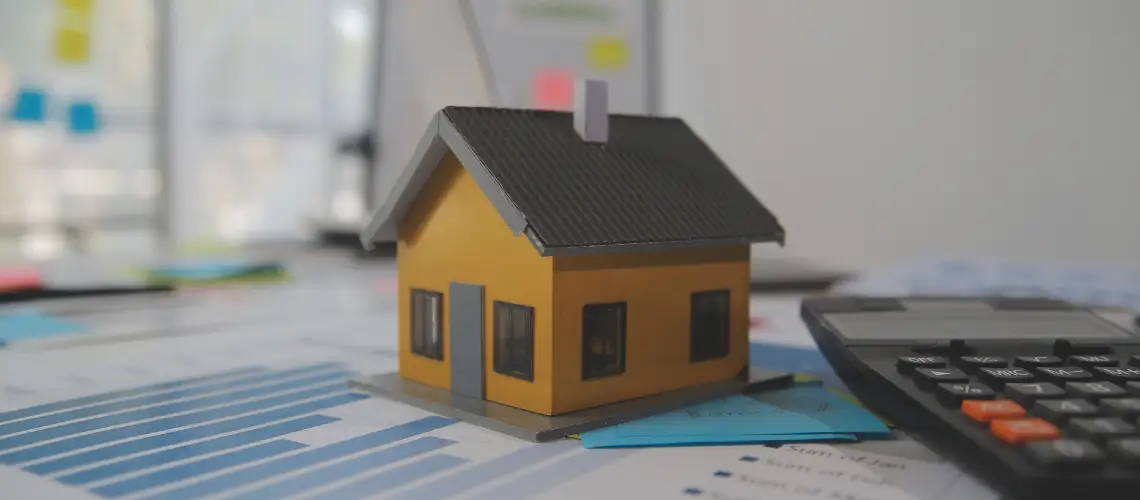
Comprehensive Property Valuation Services in Sydney: What You Need to Know
Whether you’re buying, selling, or refinancing, an accurate property valuation is crucial. Professional property valuation services provide a detailed assessment of a property’s market value, offering insights that help you make informed decisions. In this guide, we’ll explore the importance of property valuations, the factors that influence value, and how professional services can assist you with accurate property valuation Sydney.
What is Property Valuation?
Property valuation is the process of determining the market value of a property, based on several factors including location, size, condition, and current market trends. A certified valuer carries out this process to ensure accuracy, providing a detailed report that reflects the true value of the property in question.
Property valuations are essential for various reasons, including:
- Buying or selling property: Helps to determine a fair price.
- Refinancing: Lenders require accurate valuations to approve loan amounts.
- Investment decisions: Provides insights for property investors to assess future potential.
- Legal purposes: Valuations are often required for settlements, estate planning, and taxation matters.
Why Are Property Valuation Services Important?
Engaging professional property valuation services ensures you receive an objective and unbiased report on your property’s worth. Here are the main reasons why property valuations are essential:
- Accurate Market Value: A valuation gives you the correct market value, helping you avoid overpricing or underselling.
- Informed Decision-Making: Whether you’re buying, selling, or investing, a valuation helps you make confident decisions based on factual data.
- Legal Compliance: Many legal matters, such as divorce settlements or inheritance disputes, require an official valuation.
- Financial Clarity: Lenders rely on property valuations to determine loan eligibility, ensuring that you borrow within the value of the property.
Factors Influencing Property Valuations
Several factors are considered when conducting a property valuation. These factors are carefully analysed to provide a comprehensive assessment:
1. Location
The location of a property is often the most significant factor in its valuation. Proximity to amenities like schools, public transport, shopping centres, and business hubs can significantly increase property value.
2. Property Size and Layout
The size of the land and the structure itself plays a crucial role in determining value. Larger properties with functional layouts tend to have higher valuations, particularly if they allow for future development or expansion.
3. Condition of the Property
The current condition of the property, including any necessary repairs or recent renovations, impacts the valuation. Well-maintained properties typically receive higher appraisals.
4. Comparable Sales
Valuers look at recent sales of similar properties in the same area to provide a market-based valuation. This method ensures that the valuation reflects current market conditions.
5. Market Trends
Current real estate trends, including buyer demand and economic conditions, also affect property valuations. In a seller’s market, properties are often valued higher due to increased competition among buyers.
Common Methods Used in Property Valuation
Professional valuers use various methods to determine the value of a property. These methods ensure a thorough and accurate assessment based on the type of property and its intended use. Some common methods include:
1. Comparable Sales Method
This is one of the most widely used methods, where the property is compared to recently sold properties with similar features in the same area. Adjustments are made for differences in condition, size, and features.
2. Income Capitalisation Approach
For income-generating properties, such as rental properties or commercial buildings, the income capitalisation method is used. This approach estimates the property’s value based on its income potential, considering factors like occupancy rates and rental yields.
3. Cost Approach
The cost approach calculates the cost to rebuild the property from scratch, accounting for depreciation. This method is particularly useful for new constructions or properties with unique features that may not have comparable sales data.
Why Choose Professional Property Valuation Services in Sydney?
Opting for professional property valuation services in Sydney offers several advantages. Here’s why it’s essential to work with a certified valuer:
- Local Market Expertise: Local valuers understand Sydney’s property market, offering insights into neighbourhood trends, recent sales, and market conditions.
- Certified Professionals: Certified valuers adhere to industry standards, providing reliable and legally sound valuations.
- Comprehensive Reports: Professional valuers deliver detailed reports that outline the valuation process, the factors considered, and the final market value.
- Unbiased Assessments: Valuers provide independent and unbiased assessments, ensuring that the valuation is objective and free from conflicts of interest.
Conclusion
Property valuation services are critical for homeowners, buyers, investors, and businesses. They provide an accurate, objective analysis of a property’s market value, helping you make informed decisions. Whether you’re buying a new home, selling an existing property, or investing in the market, professional property valuation Sydney will ensure you have the most accurate and reliable information.
For more information on property valuation services or to book an appointment with a certified valuer, contact your local Sydney valuation experts today.

Commercial Property Valuation: 5 Essential Reasons You Might Need One
Commercial property valuation is a critical process that helps determine the market value of a commercial property. Whether you own, manage, or are considering purchasing commercial real estate, understanding its value is essential for making informed decisions. In this article, we explore the top five reasons why you might need a commercial property valuation and how it can benefit your business in the long run.
1. Accurate Assessment for Buying or Selling
One of the most common reasons for a commercial property valuation is during the buying or selling process. When purchasing a commercial property, an accurate valuation ensures that you are paying a fair price based on the current market conditions. Conversely, if you are selling a commercial property, a professional valuation can help you set a competitive price, attracting potential buyers while maximising your returns.
Why It Matters:
- Informed Decision-Making: Knowing the property’s true value helps you make informed decisions, avoiding overpaying or underselling.
- Negotiation Power: A valuation provides a solid foundation for negotiations, ensuring that both parties have a clear understanding of the property’s worth.
2. Loan Financing and Refinancing
When applying for a loan or refinancing an existing mortgage, lenders often require a commercial property valuation. This valuation helps the lender assess the risk involved in lending and determines the loan amount they are willing to offer. A higher valuation can lead to better loan terms, including lower interest rates and higher loan amounts.
Why It Matters:
- Secure Financing: An accurate valuation is crucial for securing the necessary financing for your commercial property investments.
- Favourable Loan Terms: A higher valuation can result in more favourable loan terms, reducing your overall cost of borrowing.
3. Property Tax Assessment
Commercial property valuations are also essential for property tax assessments. Local councils use valuations to determine the amount of property tax you need to pay. An accurate valuation ensures that you are not overpaying on your property taxes, which can significantly impact your business’s bottom line.
Why It Matters:
- Fair Taxation: An accurate valuation ensures you pay only what is fair, preventing excessive tax burdens on your commercial property.
- Dispute Resolution: If you believe your property taxes are too high, a professional valuation can serve as evidence to challenge the assessment.
4. Insurance Coverage
To protect your commercial property, it is vital to have the right insurance coverage. A property valuation helps determine the correct amount of insurance needed to cover potential losses due to damage, theft, or other risks. Underinsuring your property can lead to significant financial losses, while overinsuring can result in unnecessary premium costs.
Why It Matters:
- Adequate Protection: A valuation ensures your property is adequately insured, providing peace of mind in the event of unforeseen circumstances.
- Cost Efficiency: Avoid overpaying on insurance premiums by ensuring your coverage matches the property’s true value.
5. Strategic Business Planning
A commercial property valuation is not just about determining the property’s current value; it also provides valuable insights for strategic business planning. Whether you are planning to expand, renovate, or redevelop your property, knowing its value can help you make better decisions that align with your business goals.
Why It Matters:
- Investment Planning: A valuation helps identify opportunities for growth, renovation, or expansion, ensuring your investments are well-calculated.
- Exit Strategy: If you plan to sell the property in the future, understanding its current and potential value is essential for developing an effective exit strategy.
Choosing the Right Valuer for Commercial Property in Australia
Selecting a qualified and experienced property valuer is crucial for obtaining an accurate and reliable commercial property valuation. Look for valuers who are accredited by recognised professional bodies such as the Australian Property Institute (API). These professionals have the expertise and local market knowledge necessary to deliver precise valuations that you can trust.
Conclusion
Commercial property valuations play a vital role in various aspects of property ownership and management. Whether you are buying, selling, financing, insuring, or planning for the future, understanding your property’s value is essential. By securing an accurate valuation from a qualified professional, you can make informed decisions that positively impact your business. If you need a commercial property valuation, consider consulting with experienced property valuers in your area to ensure you receive the best advice and service.

Common Mistakes to Avoid When Getting a Property Valuation in Hobart
Property valuations play a crucial role in buying, selling, and managing real estate in Hobart. However, many people make mistakes that can lead to inaccurate valuations, potentially costing them time and money. This article highlights the most common mistakes to avoid when getting a property valuation in Hobart.
Mistake 1: Relying on Automated Online Valuations
One of the most common mistakes is relying solely on automated online valuations. While these tools can provide a general estimate, they lack the local knowledge and detailed analysis required for an accurate valuation.
Tip: Always consult a certified property valuer who understands the Hobart market to get a precise valuation.
Mistake 2: Ignoring the Importance of Property Presentation
The condition and presentation of your property can significantly influence its valuation. Neglecting repairs, maintenance, or general tidiness can result in a lower valuation.
Tip: Ensure your property is well-maintained, clean, and free of visible defects before the valuation process.
Mistake 3: Overestimating the Impact of Renovations
While renovations can increase your property’s value, not all improvements have the same impact. Overestimating the value added by certain renovations can lead to unrealistic expectations.
Tip: Consult your valuer about which renovations genuinely add value in the Hobart market before making expensive upgrades.
Mistake 4: Choosing the Wrong Valuation Method
Different properties require different valuation methods. Using the wrong method can lead to inaccurate results.
Tip: Work with your valuer to determine the most appropriate valuation method for your property, whether it’s the comparable sales method, income capitalisation method, or another approach.
Mistake 5: Not Providing Accurate Information to the Valuer
Your valuer relies on the information you provide to conduct an accurate assessment. Failing to disclose important details about your property can result in an inaccurate valuation.
Tip: Be transparent and provide all necessary documentation and information to your valuer, including recent improvements, property history, and any legal encumbrances.
Mistake 6: Misjudging Market Conditions
Ignoring current market conditions in Hobart can lead to unrealistic valuation expectations. The property market is dynamic, and values can fluctuate based on supply, demand, and economic factors.
Tip: Stay informed about current market trends and how they might affect your property’s value. Your valuer can provide insights into how the market conditions are influencing property values.
Mistake 7: Skipping a Valuation When Refinancing
When refinancing your mortgage, it’s essential to get an updated property valuation. Skipping this step can lead to borrowing against an outdated value, which might not reflect current market conditions.
Tip: Always get a fresh property valuation when refinancing to ensure you are borrowing against the true current value of your property.
Mistake 8: Underestimating the Importance of Location
Location is a key factor in determining property value. Ignoring the influence of location, including local amenities, school zones, and future developments, can lead to inaccurate valuations.
Tip: Consider how your property’s location in Hobart affects its value. Your valuer will take this into account, but it’s important for you to understand its impact as well.
Mistake 9: Overlooking Legal and Zoning Issues
Legal restrictions, zoning regulations, and land use permissions can significantly affect a property’s value. Overlooking these aspects can lead to an inflated or deflated valuation.
Tip: Ensure your valuer is aware of any legal or zoning issues related to your property, as these can have a substantial impact on its valuation.
Mistake 10: Not Using a Certified Valuer
Using an uncertified or inexperienced valuer can lead to inaccurate valuations, potentially costing you money in the long run.
Tip: Always use a certified valuer with experience in the Hobart market to ensure you receive an accurate and reliable property valuation.
Avoiding Mistakes for an Accurate Property Valuation
Getting a property valuations in Hobart is a critical step in any real estate transaction. By avoiding these common mistakes, you can ensure that your valuation is accurate and reflective of the true market value. Whether you’re buying, selling, or refinancing, a professional and thorough property valuation will give you the confidence to make informed decisions.

The Impact of Hobart’s Property Market Trends on Property Valuations
Hobart’s property market has been a topic of interest for both local and international investors. The city’s unique blend of historical charm and modern amenities, coupled with its stunning natural surroundings, has made it a desirable location for property buyers. As a result, the property market in Hobart has seen significant fluctuations in recent years, directly impacting property valuations.
Key Market Trends Affecting Property Valuations in Hobart
Several trends have shaped the Hobart property market, influencing property valuations across the city:
- Population Growth: Hobart’s population growth has increased demand for housing, leading to higher property values.
- Infrastructure Development: New infrastructure projects, such as transport links and urban development, have made certain areas more desirable, driving up property prices.
- Tourism Influence: Hobart’s growing tourism industry has increased demand for short-term rental properties, impacting valuations of residential properties.
- Interest Rates: Fluctuating interest rates have influenced buyer affordability and borrowing capacity, affecting property demand and values.
- Economic Factors: Local and national economic conditions play a significant role in property market stability and valuation trends.
The Role of Location in Property Valuations
Location is one of the most critical factors in property valuations, with some Hobart suburbs experiencing higher demand than others. Areas such as Sandy Bay, Battery Point, and West Hobart are highly sought after, often resulting in higher property valuations due to their proximity to amenities, views, and overall desirability.
- Sandy Bay: Known for its waterfront properties and proximity to the University of Tasmania, Sandy Bay is one of Hobart’s most prestigious suburbs.
- Battery Point: With its heritage charm and close proximity to Hobart CBD, Battery Point is another high-demand area with premium property valuations.
- West Hobart: Offering a blend of historic and contemporary homes, West Hobart attracts buyers looking for a suburban feel close to the city.
How Market Trends Influence Property Valuation Methods
Property valuers in Hobart consider market trends when conducting valuations. The following methods are commonly used:
- Comparable Sales Method: This involves comparing the property with similar properties that have recently sold in the area. Market trends influence the selection of comparable sales, making it a vital aspect of the valuation process.
- Income Capitalisation Method: Used primarily for commercial properties, this method considers the income generated by the property, with market trends impacting rental yields and capitalisation rates.
- Replacement Cost Method: This method estimates the cost to replace the property with a similar one at current prices, factoring in market trends affecting construction costs and materials.
The Impact of Property Market Cycles on Valuations
The property market operates in cycles, typically consisting of four stages: boom, slowdown, slump, and recovery. Understanding these cycles is crucial for both buyers and sellers:
- Boom: High demand and rising prices. Property valuations are often higher during this stage.
- Slowdown: Market stabilises, demand decreases slightly. Valuations may plateau.
- Slump: Low demand and falling prices. Valuations typically decrease.
- Recovery: Market begins to improve, demand picks up, leading to stabilising or increasing valuations.
Predicting Future Trends in Hobart’s Property Market
Predicting future market trends is challenging, but several indicators can provide insights:
- Population Projections: Continued population growth is likely to sustain demand for housing in Hobart.
- Interest Rate Forecasts: Stable or low-interest rates may encourage more buyers into the market, supporting property values.
- Government Policies: Changes in housing policy, such as first-time buyer incentives, can influence demand and valuations.
Navigating Hobart’s Property Market
Understanding how Hobart’s property market trends affect property valuations Hobart is essential for anyone involved in real estate. By keeping an eye on market trends, buyers, sellers, and investors can make informed decisions and optimise their property strategies. Whether you’re purchasing a new home or selling an investment property, an accurate property valuation will help you navigate Hobart’s dynamic market with confidence.

Understanding the Importance of Property Valuations in Hobart
Property valuations are a critical aspect of the real estate process, providing an unbiased estimate of a property’s market value. In Hobart, where the property market is dynamic and ever-changing, obtaining an accurate property valuation can make a significant difference in your financial decisions.
Why Property Valuations Matter
Whether you’re buying or selling a property in Hobart, understanding its true market value is crucial. Here’s why property valuations are essential:
- Informed Buying Decisions: Buyers can avoid overpaying for a property by knowing its accurate market value.
- Fair Selling Price: Sellers can set a competitive price that attracts buyers while ensuring they receive fair market value.
- Mortgage and Refinancing: Lenders require valuations to determine the amount they’re willing to lend based on the property’s value.
- Taxation and Legal Purposes: Accurate valuations are needed for tax assessments, capital gains calculations, and other legal matters.
How Property Valuations Are Conducted in Hobart
Property valuations in Hobart involve a detailed process that takes into account various factors influencing a property’s value. These include:
- Location: The neighbourhood, proximity to amenities, and overall desirability of the area.
- Property Size and Layout: The land size, number of rooms, and overall layout of the property.
- Condition: The current state of the property, including any recent renovations or necessary repairs.
- Market Trends: Recent sales data and market trends in Hobart are analysed to determine current market value.
The Benefits of Professional Property Valuations
Hiring a professional valuer in Hobart ensures you receive an accurate, unbiased valuation. The benefits include:
- Expertise: Professional valuers have extensive knowledge of the local market and property trends.
- Accuracy: Valuers use comprehensive data and analysis methods to provide precise valuations.
- Compliance: Valuations are conducted according to industry standards and legal requirements.
- Detailed Reports: A professional valuation includes a detailed report with insights that can guide your property decisions.
Common Misconceptions About Property Valuations
There are several misconceptions surrounding property valuations that can lead to costly mistakes:
- Myth 1: Online Valuations Are Sufficient: While online tools can provide estimates, they lack the precision and local expertise of a professional valuation.
- Myth 2: Renovations Always Increase Value: Not all renovations add value; some may even decrease the property’s appeal to potential buyers.
- Myth 3: Valuations Are Only for Selling: Valuations are equally important for refinancing, taxation, and legal purposes.
Choosing the Right Valuer in Hobart
When selecting a property valuer in Hobart, consider the following:
- Experience and Certification: Ensure the valuer is certified and has experience in the Hobart property market.
- Local Knowledge: A valuer with in-depth knowledge of Hobart’s neighbourhoods and property trends is crucial.
- Client Reviews: Look for positive client feedback and testimonials.
- Comprehensive Services: Choose a valuer who offers a wide range of services, including residential, commercial, and industrial valuations.
The Value of an Accurate Property Valuation
An accurate property valuation is an invaluable tool for buyers, sellers, and property owners in Hobart. It provides the insights needed to make informed decisions, ensuring you navigate the property market with confidence. Whether you’re buying, selling, or refinancing, trust a professional valuer to provide you with the accurate, reliable valuation you need.